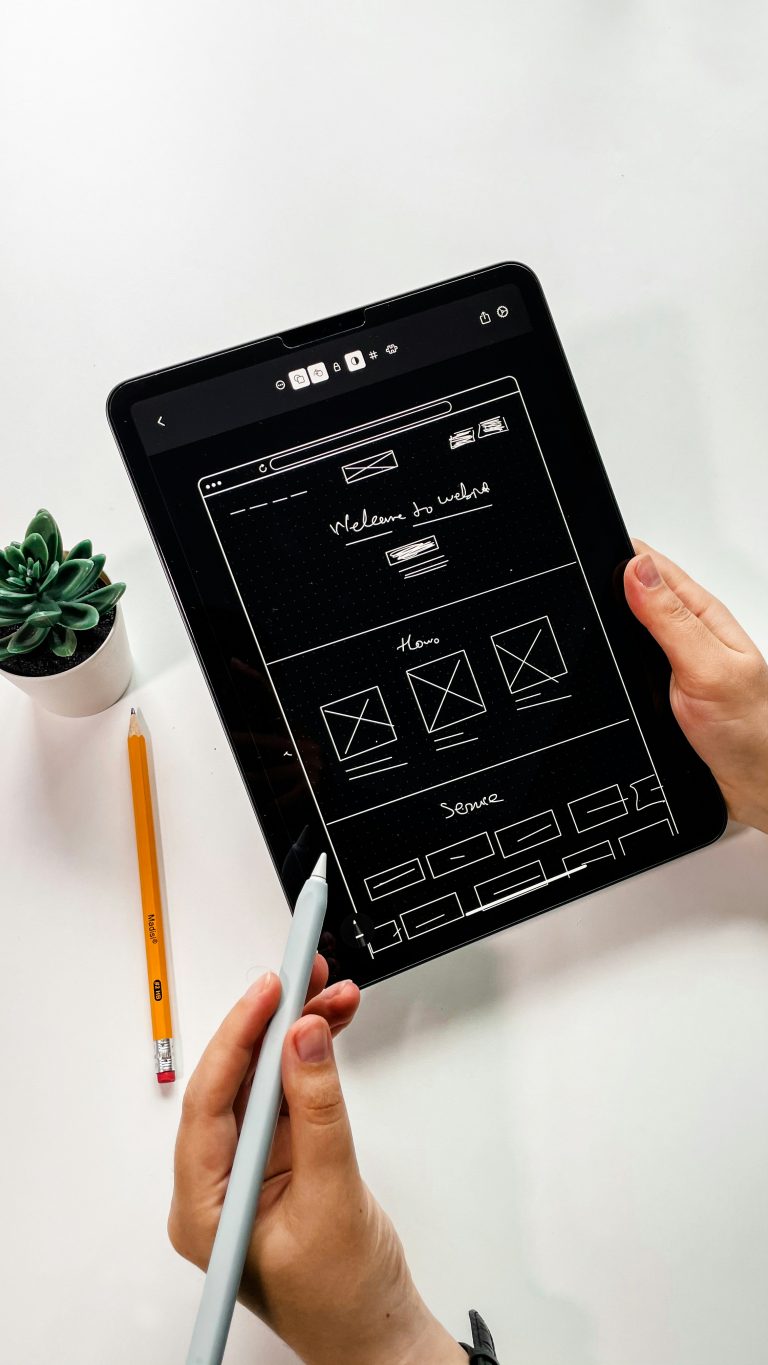
Today, building a website is easier than it used to be. With modern content management systems and ready-made templates, individuals and small businesses can launch a functional website within a few hours. Many people start websites to share articles, showcase projects, promote services, or build a small online presence for a personal brand. At first glance, the process appears straightforward: choose a template, install a CMS such as WordPress, add a few pages, and publish content. However, once a site begins running for a while, the quality of its structure becomes far more important than the initial setup.
Many site owners eventually discover that the usability of their website depends heavily on the template they chose at the beginning. Factors such as page structure, loading speed, mobile responsiveness, and ease of editing can significantly affect how efficiently a site can be maintained over time. A visually attractive design may look impressive at first, but if the underlying layout is poorly organized or difficult to customize, managing the site later can become frustrating. Because of this, experienced website owners often place more importance on template structure and flexibility than on appearance alone.
For websites built with systems like WordPress, Joomla, or other CMS platforms, the theme or template essentially defines the framework of the entire site. Navigation menus, homepage layout, article pages, and widget areas are all controlled by the template’s architecture. Beginners often start with free themes, which are widely available and easy to install. While many free themes work well for simple projects, they sometimes come with limitations such as fewer customization options, slower updates, or compatibility issues with plugins. As a result, site owners who want greater flexibility often begin exploring premium templates or theme marketplaces.
These platforms typically offer a wide range of designs tailored for different purposes, including corporate websites, blogs, portfolios, and online stores. Since many premium themes require a one-time purchase or license fee, some users look for ways to reduce costs before making a purchase. In those cases, people sometimes search for discounts through coupon websites and promotional platforms. For example, when browsing the template marketplace, users might check Gutscheine7 to see if there are any deals that could reduce the cost of purchasing a theme.
My own experience with website templates changed while working on a small personal project. At the time, I wanted to create a simple website where I could organize notes and articles related to topics I was learning. I initially chose a free theme that looked modern and visually appealing in screenshots. However, once I began customizing it, I quickly ran into problems. The theme settings were difficult to navigate, and even small changes required digging through complicated menus or modifying code. One day I tried to add a small article recommendation section to the homepage, something that seemed like it should take only a few minutes. Instead, I spent nearly two hours searching through documentation and adjusting layout files. That experience made me realize that a theme’s usability matters far more than its appearance. I eventually switched to a more structured premium template with a clearer backend interface and modular design. With the new theme, many layout adjustments could be done with simple configuration options rather than manual coding.
From a practical perspective, choosing the right template early can significantly reduce the long-term effort required to maintain a website. A well-designed theme allows site owners to update content, modify layouts, and expand functionality without running into constant technical barriers. On the other hand, poorly structured templates can create ongoing maintenance challenges, especially when plugins update or new features need to be added. Many website owners only recognize this difference after rebuilding their site at least once.
Because of this, taking the time to evaluate a template’s structure, documentation, update frequency, and user reviews can be a valuable step before launching a project. Over time, these small decisions affect how smoothly a website operates. What initially seems like a minor detail—choosing the right template—often becomes one of the most important factors influencing how efficiently a website can grow and adapt in the future.

Thank you for being here!
- Overcoming the Core Challenges of Legacy Application Modernization – September 25, 2026
- Why Your Website Fonts Flash or Disappear on Load: FOUT vs FOIT Explained – August 30, 2026
- WordPress 7.1 hover and focus styling design guide – August 22, 2026